The Horns Below: Britain’s Decommissioned Lighthouses Are Learning to Drone
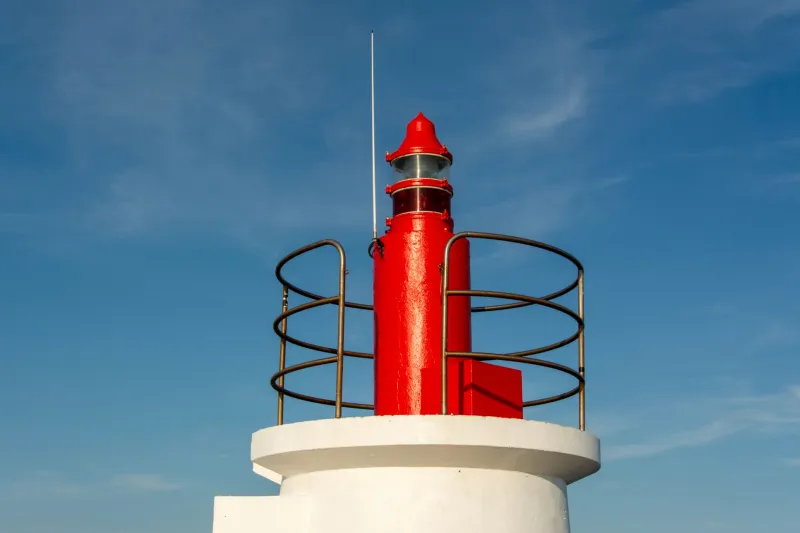
There is a particular kind of quiet inside a decommissioned lighthouse. Not silence — the wind sees to that — but a padded, stone-walled hush that makes every scrape of a boot sound like a downbeat. Up in the lamp room, the glass has been polished for visitors. Down in the engine room, the foghorn compressor sits under a tarpaulin like a sleeping animal. In 2026, that animal is being woken up.
Across the UK, a small but determined network of artists, volunteers and coastal heritage groups are turning retired lighthouse machinery into instruments. The fog signal — that mournful, chest-rattling blast that once warned ships off rocks — is being reimagined as a low-end drone source. The lamp mechanisms, with their slow clockwork rotations, are becoming rhythmic beds. The empty engine rooms are becoming rooms for listening.
Three Towers, One Low End
Take the tower on the Holderness coast, where Spurn Point’s shifting spit has been nibbling at the land for centuries. The old foghorn there was decommissioned years ago, but a local volunteer group has been carefully restoring the compressor for demonstration use. Last autumn, they invited two sound artists to spend a week recording it. The result was a 40-minute piece built almost entirely from the horn’s sub-bass swell, played back through a single large speaker in the engine room while visitors sat on upturned crates.
“You feel it in your sternum before you hear it,” says one of the volunteers, a retired marine engineer who now spends his weekends oiling things that no longer need oiling. “The horn was designed to be heard five miles out. Indoors, at low volume, it does something else entirely. It turns the room into a resonator.”
Further south, on the Kent coast, a different tower has been hosting monthly listening sessions under the banner of “fog signal studies.” Here, the emphasis is on field recordings: the horn itself is rarely sounded. Instead, artists play back recordings of fog signals from other stretches of coastline, layered with the sound of shingle, tide and the tower’s own ventilation hum. The events are intimate — twenty people maximum — and the audience is asked to leave their phones in a biscuit tin by the door.
And in Dorset, a third tower has taken a more mechanical approach. The old lamp rotation mechanism, now disconnected from the optic, has been fitted with contact microphones. Its slow, weighted tick becomes a clock for improvisers. A cellist might bow a low C. A synth player might hold a single note for ten minutes. The lamp keeps time, indifferent.
Why the Fog Signal Matters
The fog signal is a strange piece of heritage. It was never beautiful. It was a warning, a public service announcement delivered at 120 decibels. But its frequency range — heavy on the low end, designed to cut through wind and rain — makes it unusually suited to the kind of immersive listening that has become popular in experimental music circles. When you strip away the function, what’s left is a pure, physical rumble.
That rumble also tells a story about the coastline. The lighthouses that once needed foghorns are now largely automated. GPS and radar have made the horn redundant. Many towers are now cared for by trusts, volunteers or private owners. The shift from working infrastructure to heritage asset is not unique to lighthouses, but it is unusually audible here: the very thing that made the tower useful is now the thing being preserved as art.
“There’s a melancholy to it, obviously,” says one of the artists involved in the Kent sessions. “But there’s also something stubbornly hopeful about taking a warning signal and turning it into a room where people choose to sit and listen. It’s like teaching an old dog to hum.”
The Practicalities of Coastal Drone
These are not raves. There is no bar, no merch table, no support act. The events tend to run for an hour, often at dusk, and they depend on volunteers who know how to work the doors, hand out blankets and explain why the engine room smells faintly of diesel. Funding comes from small grants, donations and the occasional arts council scheme. Nobody is getting rich.
The towers themselves present challenges. Damp is a constant. Power is limited. Some engine rooms have steps that would fail any modern accessibility audit. And the foghorn, when it does sound, is loud enough to require ear defenders for anyone standing close. The artists have learned to treat it with respect.
But the limitations are part of the appeal. In a converted warehouse or a black-box gallery, low-frequency drone can feel like a technical exercise. In a lighthouse engine room, with the sea audible through the walls and the lamp mechanism ticking overhead, it feels like a conversation with the building. The tower has its own resonance. The artists are just borrowing it.
What Comes Next
For now, the fog signal sessions remain scattered and informal — a weekend here, a one-off there. But there is talk of a loose network, a shared archive of recordings, perhaps a small festival that would link three or four towers along one stretch of coast. Nothing is confirmed. The volunteers are cautious about over-promising.
What is clear is that Britain’s decommissioned lighthouses are not done making noise. They have simply changed their audience. Instead of warning ships away from the rocks, they are inviting people in to feel the low end. It is a quieter kind of public service, but it is a public service nonetheless.
For anyone curious, the best approach is to keep an eye on local heritage noticeboards and the newsletters of the lighthouse trusts. Events are rarely advertised widely. They tend to spread by word of mouth, like a fog signal through a haar. If you find yourself on a coastal path this winter, and you hear a low, patient rumble coming from a tower that should be silent, you will know you have found one.