Eyes Down for the Drone: The Seaside Bingo Halls Becoming Rooms for Listening
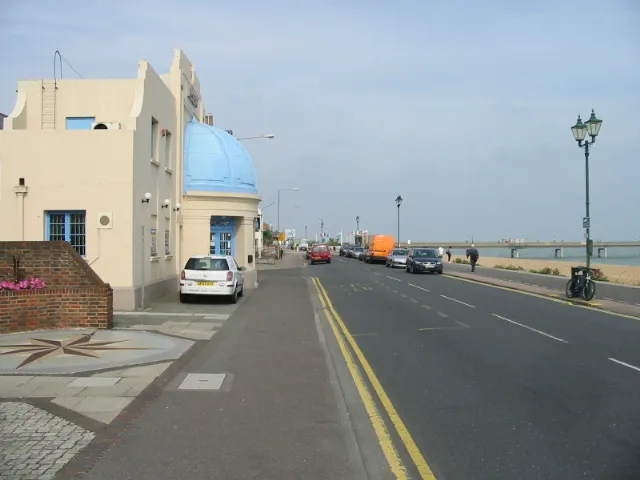
Photo: Nick Smith, CC BY-SA 2.0, via Wikimedia Commons
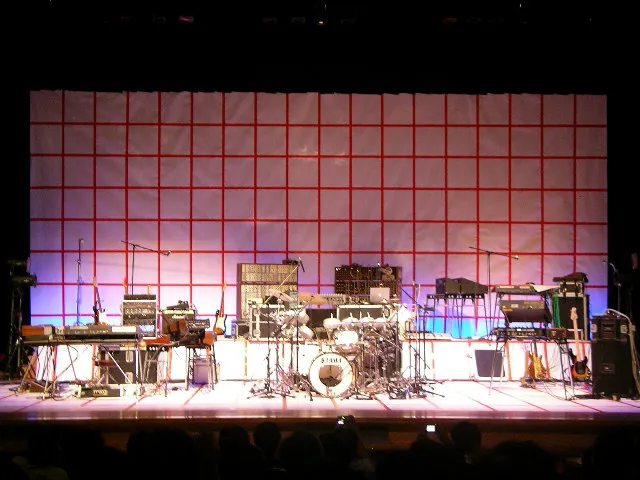
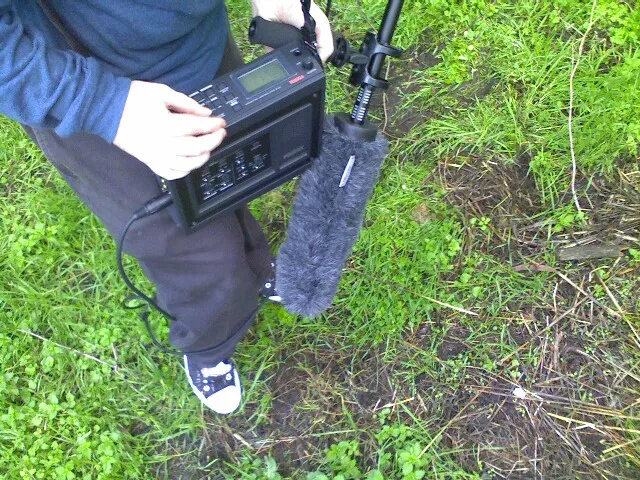
On a damp Friday in Margate, the caller’s booth is empty but the room is not silent. A strip light buzzes above a carpet the colour of forgotten trifle. Near the fire exit, a contact mic is taped to a radiator. The audience—maybe forty people in anoraks and ear defenders—sits at long tables once reserved for dabbers, plastic cups and the serious business of a full house. Tonight’s programme is not bingo. It is a 40-minute piece built from recordings of bingo calls, shuffled and stretched until ‘legs eleven’ becomes a low, wobbling drone.
Welcome to the unlikely new life of the British seaside bingo hall. From Blackpool to Margate, via Morecambe, Scarborough and Great Yarmouth, rooms that once rang with numbers and cheers are being borrowed, rented and gently rewired for sound art and experimental music. The interesting thing is not simply that artists have found another odd room. It is that the room already behaves like an instrument.
The room already has a score
Bingo halls are not neutral boxes. They have their own acoustics, their own choreography, their own weather. The carpets swallow footsteps. The suspended ceilings flatten the top end. The long, wide floors let low frequencies roll about like loose change. Strip lights hum. Radiators tick. Doors bang with the special heaviness of a place built for crowds.
For sound artists, that is a gift. A former hall in Margate has been used for a series of listening sessions where the PA is kept almost absurdly quiet, so the room’s own noises become part of the mix. In Blackpool, an organiser describes running a piece for eight speakers around the edges of the room, with the audience free to wander between tables. In Great Yarmouth, a weekend of tape music and field recordings made the most of the hall’s deadened highs and boomy lows. Nobody is pretending these are perfect concert halls. That is the point.
The rituals matter too. Bingo is a game of call-and-response, luck and collective attention. Eyes down. Numbers up. A room full of people listening for the same thing at the same time. Experimental music often asks for a similar kind of attention, just without the prize money. Several artists have leaned into that overlap, building scores around the cadence of a caller, the pause before a number, the rustle of dabbers, the small theatre of someone shouting ‘house!’.
Callers as collaborators
The most quietly radical part of this scene is the willingness to work with the people who know the rooms best. Former bingo callers have been invited to perform, record and co-write. One project in the north-west pairs a retired caller with a musician who loops and pitch-shifts his voice in real time. The caller still calls numbers, but the numbers become cues for tape loops, feedback and silence. The result is funny, eerie and strangely moving—a familiar voice doing a familiar job in a room that no longer quite exists.
That collaboration matters because it stops the scene from becoming a simple aesthetic raid. Bingo halls are not just quirky backdrops. They are social infrastructure. For decades they were places where people went to be together without having to spend much money. The decline of bingo has left a hole in many seaside towns, and the arrival of experimental music does not fill that hole on its own. But it can keep the lights on, the doors open and the room in use.
What the seaside gets out of it
Seaside towns have long been good at repurposing. Arcades become galleries. Guesthouses become studios. Piers become stages for things the mainland would not tolerate. Bingo halls fit that pattern. They are big, adaptable and often sitting empty for much of the week. For artists, they offer space that city venues cannot: room for installation, for wandering, for a crowd that is not packed into a black box.
For local audiences, the appeal is less about genre than about atmosphere. These events tend to be relaxed. You can usually get a cup of tea. You do not need to know the difference between a contact mic and a condenser mic. You just need to be curious about what happens when a room stops calling numbers and starts calling attention to itself.
Listening instead of winning
The best of these events resist nostalgia. They do not recreate bingo nights behind a velvet rope. They use the hall’s history as material: the carpet, the calls, the clatter, the collective hush. Then they let something else happen. A drone grows out of a caller’s voice. A field recording of the seafront leaks through the fire doors. The audience shifts on plastic chairs and listens to the building breathe.
It is not a replacement for what was lost. It is a way of keeping a room alive until the next idea arrives. And on a wet Friday in Margate, with the strip lights buzzing and the carpet holding its tongue, that feels like enough.