Ropes, Resonance and Ringing Rooms: When Campanologists Meet the Drone Underground
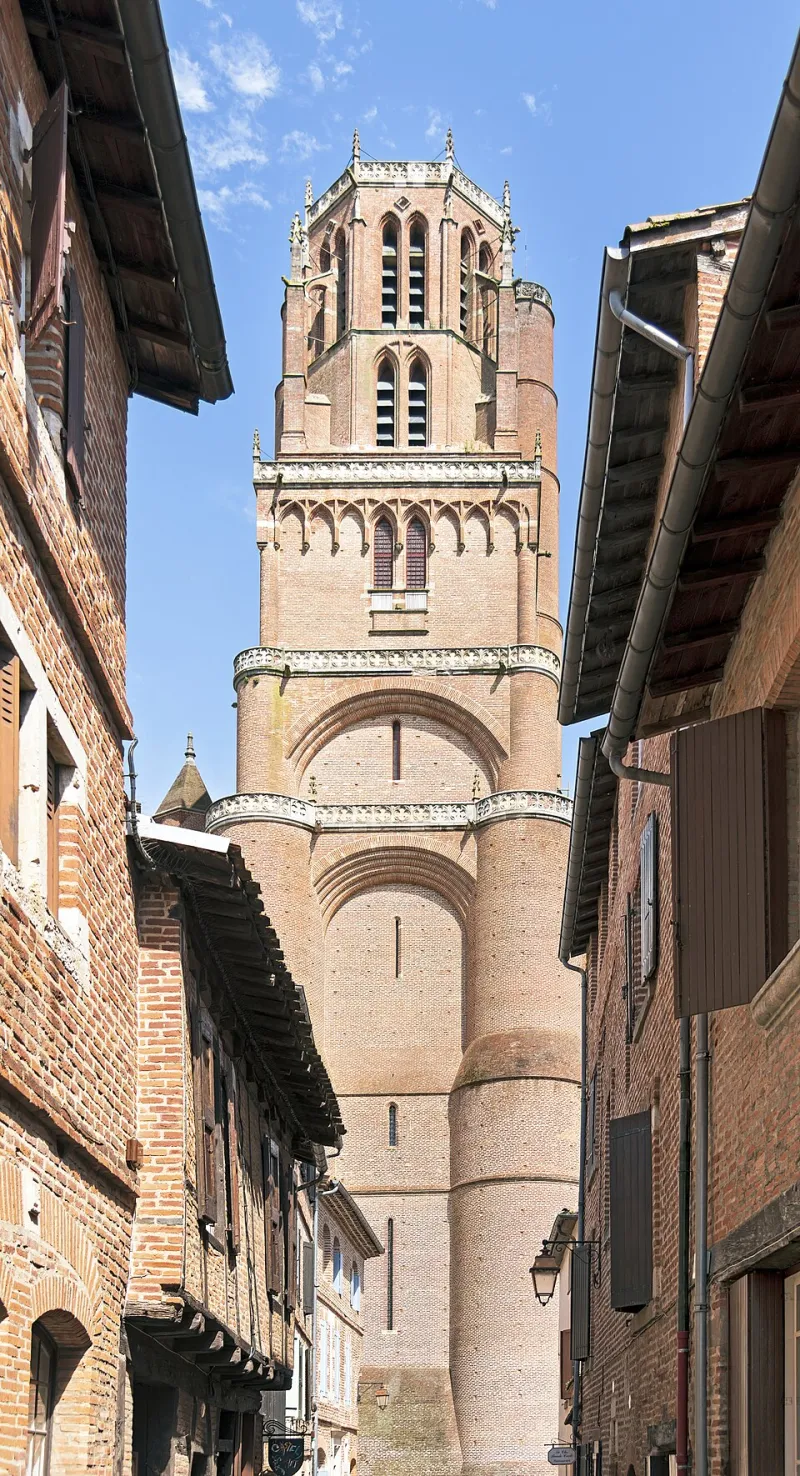
Photo: Didier Descouens, CC BY-SA 4.0, via Wikimedia Commons
The first thing you notice is the rope. It comes down through a hole in the ceiling, thick and slightly furry with age, and it moves in a way that seems almost alive. The second thing is the sound: not the clean, nostalgic peal you might expect from a Sunday morning, but a low, shifting hum that seems to come from the stone itself. Welcome to the unlikely meeting point of English campanology and experimental drone.
On a damp Tuesday in Somerset, a tower captain called Maggie is trying to explain the finer points of Plain Bob Minor to a man with a laptop and a contact microphone. He nods politely. She tells him that the bells do not ring in a tune, they ring in patterns, and that the pattern is the point. He tells her that he wants to record the tenor bell at the moment it is not quite speaking, when the hum is still hanging in the air. They are, it turns out, talking about the same thing.
The tower is not a neutral room
A bell tower is a very specific acoustic space. The bells sit in a wooden frame behind louvred windows; the sound escapes in slices. Below them, the ringing chamber is a tall stone box with a spiral staircase and a floor that vibrates underfoot. The rope room smells of dust, rope wax and old prayer books. When a bell is rung, you do not just hear it through your ears; you feel it in your sternum.
For drone and ambient artists, this is catnip. The tower offers natural resonance, long decay times and a built-in filter: the louvres cut the highs, the stone smears the mids, and the bells themselves produce complex overtones that no synthesiser quite replicates. One artist described the tenor bell as “a drone that has been practising for two hundred years.” Another brought a pedalboard and discovered that feedback in a stone stairwell behaves like a slow animal.
The campanologists, for their part, are often more curious than you might expect. Change ringing is already a kind of procedural music: methods like Kent Treble Bob and Cambridge Surprise are algorithms performed by humans holding ropes. The patterns are mathematical, the timing is strict, and the result is a swirling, non-melodic texture that has more in common with minimalism than with hymn tunes. When a drone artist starts looping a bell strike, the ringers recognise the logic, even if they would not call it music.
Heritage volunteers versus feedback pedals
Not every collaboration runs smoothly. Church committees worry about insurance. Volunteers worry about wear on the bells. Someone always asks whether the experimental night will turn the tower into a venue, and whether that is the right thing for a Grade I listed building. In one Yorkshire parish, the vicar reportedly approved a dusk performance on the condition that it finished before Evensong and that nobody touched the ropes without gloves.
But the tensions are usually practical rather than philosophical. The ringers have a schedule; the artists have a soundcheck. The ringers need silence to hear their own bells; the artists need volume to hear the room. The ringers are often older; the artists are often younger. The ringers have a deep, inherited knowledge of the tower; the artists have a deep, borrowed knowledge of acoustics. The friendships form in the gaps: over tea in the ringing chamber, during the long waits between takes, in the shared recognition that both groups are obsessed with timing and listening.
From Somerset to Yorkshire
These projects are popping up in towns where you might least expect them. In Frome, a loose collective has been running “tower sessions” that pair local ringers with ambient musicians; the audience sits in the nave while the sound leaks down through the ceiling. In Hebden Bridge, a former mill town with a thriving experimental scene, a bell tower hosted a night of tape loops and bowed cymbals, with the ringers acting as hosts and occasional collaborators. In York, medieval towers have become temporary studios for field recordists interested in the city’s vertical soundscape.
The appeal is partly practical. Many towers are desperate for new audiences and new volunteers. Bell-ringing numbers have been falling for decades, and the pandemic accelerated the decline. Experimental music brings curiosity, younger faces and a different kind of attention. It also brings funding: a heritage lottery grant looks more attractive when a project can show a public programme, and a drone night is nothing if not a public programme.
Why now?
There is also something in the air. Experimental music has spent the last few years turning towards place, heritage and local specificity. Artists are less interested in the anonymous studio and more interested in the resonances of a particular room, a particular building, a particular community. The bell tower is the perfect symbol of that turn: it is old, it is embedded in a town’s daily life, and it makes a sound that is impossible to separate from its architecture.
At the same time, campanology is having a quiet moment of self-reflection. Ringers are asking how their tradition survives, who it belongs to and what it is for. The answer, increasingly, is not just Sunday service. It is also the strange, slow thrill of a tenor bell ringing into a room full of people who have never set foot in a belfry before.
If you go to one of these nights, take earplugs. Arrive early. Do not touch the ropes unless invited. And listen for the moment when the pattern stops being a pattern and becomes a texture — that is where the two worlds meet.