Dewey Decimal Drone: The After-Hours Gigs Turning Libraries Into Listening Rooms
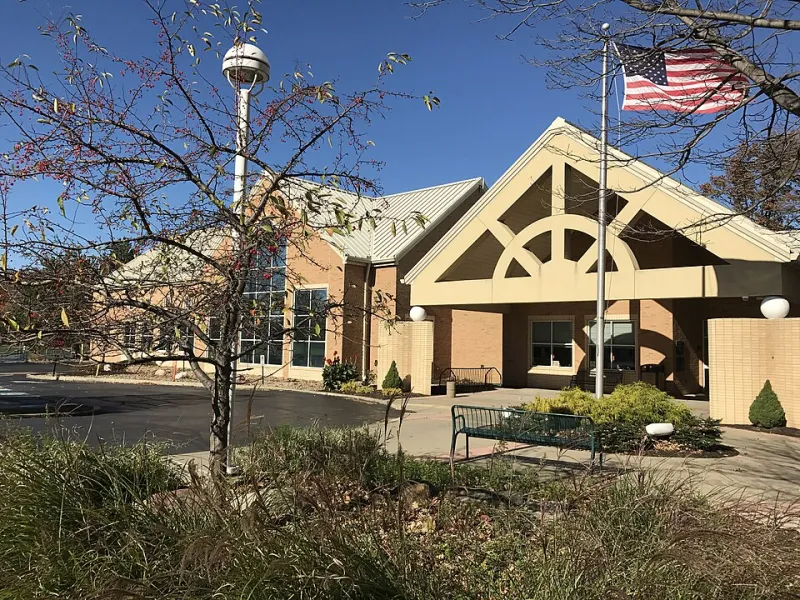
Photo: Dmsparling, CC BY-SA 4.0, via Wikimedia Commons
There is a specific sound a library makes when it has just closed. The staff door clicks. The heating ticks over. Somewhere a printer runs through its shutdown routine like a small animal settling. Then a promoter walks in with a rucksack full of cables and asks, reasonably, whether anyone knows where the fuse box is.
You're standing in a room that has spent all day being told to be quiet, and it's about to be asked to be quiet in an entirely different way.
The handover
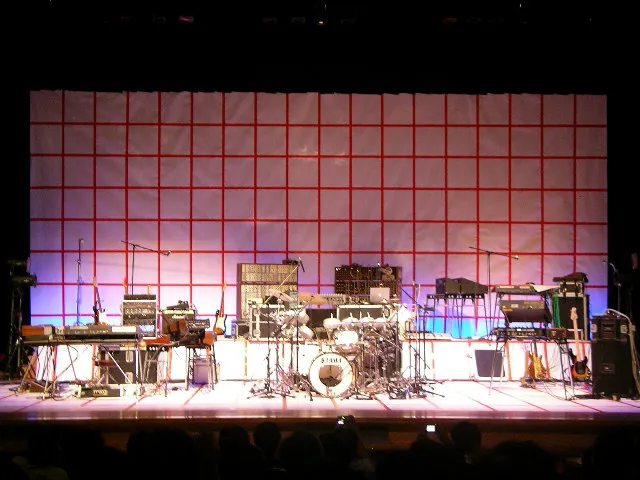
The format is loose but recognisable. A library closes to the public at five or six. Between then and seven, chairs get rearranged, a couple of small speakers appear on stands that definitely weren't in the risk assessment, and a member of staff stays behind — usually unpaid, sometimes on overtime, occasionally just because they want to see it.
By half seven, thirty people are sitting in a ring in a space designed for study, listening to a woman run a contact mic across the spine of a book. It is, on paper, a ridiculous thing to do in a public building. In practice it's one of the more attentive audiences you'll find anywhere in the country.
“The first one we did, I was terrified someone would complain,” says a branch librarian in the north of England who has been running after-hours sessions for three years. “The complaint we actually got was from someone who'd seen the poster and thought we were doing a book club. She came anyway. She's been to nine.”
Quiet is a technical problem
If you've ever wondered why library gigs tend toward the quiet end of experimental music, the answer isn't purely aesthetic. It's the building.
Public libraries tend to be either Victorian civic slabs with high ceilings and hard surfaces that bounce everything back at you, or bright modern shells with acres of glass and ceiling tiles designed to soak up the sound of forty people typing. Neither is a neutral room. Both have opinions.
Then there's the noise floor itself: the hum of the air handling, the fridge in the staff kitchen, a clock. Artists who play at volume here fight the architecture. Artists who play quietly end up in conversation with it — drone that locks onto a ventilation hum, field recordings that sit just above the ambient hiss, an unamplified voice in a room with a six-second decay.
One promoter in the east of England now sends artists a recording of their empty room before the gig. “It's a bit much,” she admits. “But it means people turn up knowing what they're playing against instead of being disappointed by it.”
The small print
Behind every good library gig is a pile of paperwork nobody claps for.
There's licensing, which varies wildly between authorities — some treat it as a private hire, some as a library event, some don't have a precedent and have to invent one. There's insurance, which is easier if you're working with a Friends group than if you're an independent promoter. There's the small matter of moving a hundred chairs, and the equally small matter of putting them back exactly as the shelving plan requires.
Then there's money. Public library budgets being what they are, nobody is paying for this out of a programming pot. The typical model is a whip-round, a small grant of a few hundred pounds from a regional arts body, and a lot of goodwill — frequently the goodwill of staff who are already doing three jobs.
Access is the recurring worry. Step-free routes are often excellent in newer libraries and appalling in older ones. Hearing loops exist in some rooms and not others. And if a gig finishes at half nine in a town where the last bus was at eight, you've quietly built an event for people with cars.
The people running these nights are aware of all of this, and it's the reason the good ones look less like gigs and more like an unusually well-organised sitting room: someone on the door, someone making tea, a printed running order with actual finishing times, and a stated promise that nobody will be asked to stand.
What a room wants
The most interesting thing about the library circuit is how much the setting changes the work. Artists who usually play a forty-minute wall of sound find themselves making twenty-minute pieces with silences in them. Field recordists who normally project visuals end up with a single lamp and a room full of people looking at the ceiling.
A cellist in the Midlands has developed a set built entirely around the acoustic of one particular reading room, which she describes as “like playing inside a wardrobe, in a good way.” A sound artist in the north-west has been performing a piece based on the library's own borrowing records — an algorithmic drift through decades of other people's reading habits, played back as a low, shifting tone. It works better in a library than it would anywhere else, which is the whole point.
And there is something about the aftermath that stays with you. The audience leaves slowly, in ones and twos, and the room goes back to being a room: chairs stacked, lights off, the returns trolley where it always is. The building has done its day job and then, briefly, a different one — not a venue, exactly. More like a place that agreed to listen.